Quick answer: Metric Versus Imperial Threading
- Camera tripod mounts universally use imperial threading (1/4"-20 or 3/8"-16) regardless of the camera's country of origin.
- Internal camera screws predominantly use metric sizing (M1.4, M1.6, M2, M2.5, M3) for component assembly.
Camera screws encompass various fastener types used in photographic equipment, from tripod mounting screws to internal body screws and accessory attachment hardware. These specialized fasteners follow specific standards and sizing conventions that ensure compatibility, reliability, and equipment safety across the photography industry.
Photographers and camera technicians search for camera screw information when performing repairs, attaching accessories, replacing lost mounting hardware, or understanding compatibility between equipment from different manufacturers. Proper screw identification and selection prevents equipment damage and ensures secure connections.
Tripod Mounting Screws
The 1/4"-20 UNC thread serves as the universal standard for camera-to-tripod connections. This imperial specification (1/4-inch diameter, 20 threads per inch) appears on virtually all consumer cameras, mirrorless systems, DSLRs, and action cameras.
Professional cinema cameras and large-format systems often include 3/8"-16 UNC mounting points in addition to or instead of 1/4"-20 threads. This larger diameter provides increased load capacity for heavy camera packages with extensive accessories.
Tripod mounting screw length typically ranges from 6mm to 12mm, balancing adequate thread engagement with safety margins to prevent internal component damage.
Camera Body Assembly Screws
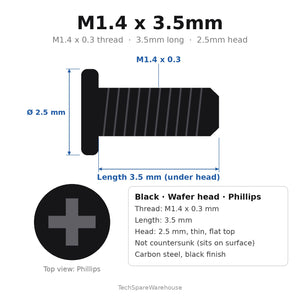
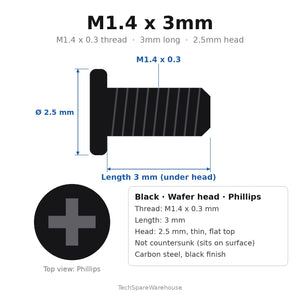
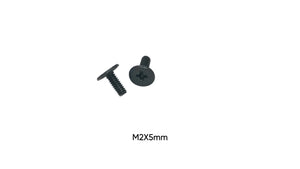
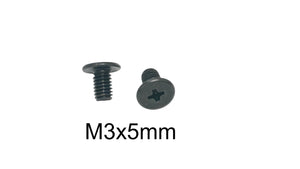
Internal camera body screws secure components like circuit boards, sensor assemblies, lens mounts, and structural elements. These screws typically use metric sizing, with M1.4, M1.6, M2, and M2.5 being most common depending on camera size and component weight.
Lens mount screws attach the lens mounting flange to the camera body, requiring precise torque specifications to maintain proper flange focal distance. These screws typically measure M2 or M2.5 in diameter with lengths between 4mm and 8mm.
External body screws secure panels, doors, and covers. Phillips pan head screws dominate consumer cameras, while professional bodies may use Torx or hex socket screws for improved torque transfer.
Accessory Mounting Hardware
Hot shoe mounting screws secure external flashes, microphones, and other accessories to the camera's accessory shoe. These screws typically use 1/4"-20 threading with thumbscrew or knurled heads for tool-free installation.
Cage and rig mounting systems use 1/4"-20 and 3/8"-16 screws extensively to attach cameras to support structures. Lengths vary from 6mm to 25mm depending on the specific connection.
Strap lug screws attach camera straps to the body via threaded lugs or split rings. These small screws typically measure M2 or M2.5 in diameter with lengths between 3mm and 6mm.
Metric Versus Imperial Threading
Camera tripod mounts universally use imperial threading (1/4"-20 or 3/8"-16) regardless of the camera's country of origin. This standardization dates to early photography industry conventions.
Internal camera screws predominantly use metric sizing (M1.4, M1.6, M2, M2.5, M3) for component assembly. The smaller metric sizes provide finer size gradations suitable for compact camera internals.
Head Styles and Drive Types
Phillips pan head screws appear most frequently in consumer camera construction due to widespread tool availability and adequate performance for moderate-torque applications.
Torx screws provide superior torque transfer and resistance to cam-out compared to Phillips drives. T4, T5, and T6 sizes are common in camera applications.
Hex socket screws allow high installation torque in compact spaces. Sizes from 1.3mm to 3mm appear in camera applications, particularly for lens mount attachment and structural assemblies.
Material and Finish Specifications
Stainless steel screws resist corrosion in cameras used in humid, marine, or outdoor environments. The material's non-magnetic properties prevent interference with camera sensors and electronic compasses.
Black oxide coatings on carbon steel screws provide basic corrosion protection and reduce reflectivity for aesthetic purposes. These screws suit indoor and dry-climate use.
Anodized aluminum screws appear in weight-critical applications like drone cameras and ultralight camera systems.
Screw Length and Thread Engagement
Proper screw length ensures adequate thread engagement without excessive protrusion that could damage internal components. For camera body assembly, screws should engage at least 1.5 times their diameter into the receiving material.
Screws that are too short may not engage sufficient threads, leading to weak connections that loosen under vibration or stress. Screws that are too long risk damaging circuit boards, sensors, or other internal components.
Identifying Correct Screw Sizes
Visual comparison helps distinguish between screw sizes when multiple samples are available, but measurement provides definitive identification. Digital calipers measure thread diameter accurately.
Thread pitch verification uses thread pitch gauges or manual counting. For metric screws, count threads within a measured distance. For imperial screws, count threads per inch.
Common Installation Errors
Cross-threading damages both screws and threaded holes, occurring when installation begins at an angle or with misaligned threads. Always start screws by hand, turning counter-clockwise until feeling the thread drop into place.
Over-tightening strips threads, cracks plastic components, or deforms metal parts. Camera screws require minimal torque—typically 0.2 to 0.5 Nm depending on size.
Replacement Screw Sourcing
Aftermarket camera screws manufactured to standard specifications function identically to original equipment when diameter, thread pitch, and length match correctly.
Screw assortment kits containing multiple sizes and lengths provide convenient replacement options for camera repair work. Kits organized by metric or imperial standards reduce identification time.
Maintenance and Inspection
Regular inspection of camera screws prevents failures during use. Check external screws for looseness, particularly on cameras subjected to vibration or frequent handling.
Clean screw threads periodically to remove dirt, sand, and debris that can cause binding or cross-threading. Use compressed air or soft brushes to clear threads.
Conclusion
Camera screws encompass diverse fastener types serving specific functions from tripod mounting to internal assembly. Understanding the distinction between imperial tripod mounting standards and metric body assembly screws, recognizing appropriate sizes for different applications, and using proper installation techniques prevents equipment damage. Accurate screw identification and careful selection ensure reliable connections across all camera systems and accessories.