Quick answer: How to Identify Your Camera's Screw Size
| Feature | 1/4"-20 Screw | 3/8"-16 Screw |
|---|---|---|
| Diameter | 1/4 inch (6.35 mm) | 3/8 inch (9.525 mm) |
| Threads Per Inch | 20 (Finer) | 16 (Coarser) |
| Common Use | Most cameras (DSLR, Mirrorless, etc.), smaller tripods | Pro video cameras, large format cameras, heavy-duty tripods |
Getting the right camera mount screws is crucial for protecting your expensive gear. The direct answer is that virtually all consumer and professional cameras use one of two imperial thread sizes: 1/4"-20 or 3/8"-16. The 1/4"-20 is by far the most common, found on everything from small point-and-shoots to full-frame DSLRs and mirrorless cameras. The larger 3/8"-16 size is reserved for heavy-duty professional video cameras and large format photography equipment. Using the correct size ensures a secure connection and prevents catastrophic damage to your camera's mounting threads.
Shop camera and camera-accessory screws
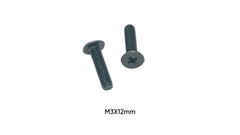
 M3 x 12mm Camera Cage & Battery Slide ScrewsView & buy →
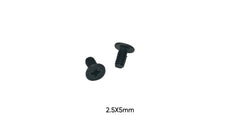
 M2.5 x 5mm Action Camera Housing ScrewsView & buy →
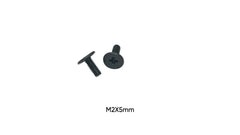
 M2 x 5mm Gimbal / Stabilizer Arm ScrewsView & buy →
 M3 x 14mm Camera Cage & Battery Slide ScrewsView & buy →
Browse the full camera screws collection. Note: we do not currently stock 1/4"-20 or 3/8"-16 tripod mount screws; the parts above are the small metric screws used in cages, housings and gimbals.
What Are Camera Mount Screws?
Camera mount screws are specialized fasteners designed to attach a camera to another piece of equipment, such as a tripod, monopod, quick-release plate, or camera cage. This connection point, typically a threaded socket on the bottom of your camera, is the only thing holding your valuable gear in place. Therefore, understanding and using the correct screw is not just a recommendation—it's essential for any photographer or videographer.
Using the wrong screw, or a low-quality one, can lead to a wobbly, insecure fit or, worse, stripped threads in your camera body. A repair for a stripped tripod mount can be costly and time-consuming, taking your primary tool out of commission.
The Two Standard Camera Screw Sizes Explained
The world of fasteners can be confusing, but luckily, the camera industry settled on two standard sizes decades ago. Both are part of the Unified Thread Standard (UTS), which is common in the United States.
The 1/4"-20 Screw: The Universal Standard
If you own a DSLR, mirrorless camera, compact camera, or action cam, you're using a 1/4"-20 socket. This is the undisputed universal standard for consumer and prosumer camera equipment.
- 1/4" refers to the outer diameter of the screw thread (approximately 6.35mm).
- 20 refers to the thread pitch, meaning there are 20 threads per inch.
This screw provides a strong enough connection for most camera and lens combinations, making it the perfect all-rounder for attaching to tripod plates, handles, and other accessories.
The 3/8"-16 Screw: The Heavy-Duty Option
The 3/8"-16 screw is the bigger, more robust sibling to the 1/4"-20. It's used when a significantly stronger connection is required for heavier equipment.
- 3/8" refers to the outer diameter of the screw thread (approximately 9.525mm).
- 16 refers to the thread pitch, meaning there are 16 threads per inch (a coarser thread than the 1/4"-20).
You will typically find this larger socket on medium-to-large format cameras, professional cinema cameras, and at the base of high-end tripod heads where they connect to the tripod legs. Some larger accessories and baseplates also use this standard for added stability.
How to Identify Your Camera's Screw Size
Confused about which one you have? It's usually very easy to tell. For 99% of users, your camera body will have a 1/4"-20 socket. The 3/8"-16 socket is noticeably larger. If you have both screws handy, the difference is immediately obvious.
Here is a simple comparison table to help you identify them:
| Feature | 1/4"-20 Screw | 3/8"-16 Screw |
|---|---|---|
| Diameter | 1/4 inch (6.35 mm) | 3/8 inch (9.525 mm) |
| Threads Per Inch | 20 (Finer) | 16 (Coarser) |
| Common Use | Most cameras (DSLR, Mirrorless, etc.), smaller tripods | Pro video cameras, large format cameras, heavy-duty tripods |
Finding Precision Screws for Your Other Electronics
Just as your camera relies on specific camera mount screws for security, all of your other valuable electronics depend on precise fasteners for assembly and repair. Using a screw that's almost the right size is a recipe for disaster, potentially stripping threads or damaging sensitive components.
Where to Buy Quality Fasteners and Screws
Whether you need a specific camera screw, an adapter, or fasteners for another electronic device, always buy from a source that specializes in high-quality hardware. At Tech Spare Warehouse, we understand that it's the small parts that keep your expensive gear running perfectly.
For cameras, we stock the small metric screws used in cages, housings and gimbals: M3 x 12mm and M3 x 14mm cage and battery slide screws, M2.5 x 5mm action-camera housing screws and M2 x 5mm gimbal arm screws. See the full camera screws collection.
Common Mistakes to Avoid
To keep your gear safe, be sure to avoid these common errors when dealing with tripod mounts and screws:
- Forcing the Wrong Thread Type: Never try to force a metric screw into an imperial socket (or vice-versa). The threads will not match, and you will strip the socket in your camera.
- Over-tightening: A screw should be snug, not forcefully cranked down. Over-tightening can damage the threads or make the screw impossible to remove later. Hand-tight is usually sufficient.
- Using a Screw That Is Too Long: A screw that bottoms out before the head is flush can damage the internal components of your camera. Ensure the screw length is appropriate for the accessory you're attaching.
- Using a Screw That Is Too Short: A screw that only catches a few threads will not create a secure connection, putting your camera at risk of falling.
Conclusion: The Right Screw for the Job
Understanding the standards of camera mount screws—the common 1/4"-20 and the heavy-duty 3/8"-16—is a fundamental piece of knowledge for any serious photographer or videographer. It ensures your equipment is mounted securely, preventing accidents and damage. This same principle of using the exact, correct fastener applies to all your electronic devices. For all your precision fastener needs and electronic spares, from camera rigging to computer repair, you can trust the quality and selection at Tech Spare Warehouse.
Frequently Asked Questions
What screw size is a standard camera mount?
The standard and most common camera mount screw size is 1/4"-20. This means the screw has a 1/4-inch diameter and 20 threads per inch. It's used on virtually all consumer and professional DSLRs, mirrorless cameras, and camcorders.
What is a 1/4-20 screw?
A 1/4-20 screw is a type of screw following the Unified Thread Standard (UTS). The "1/4" indicates a 1/4-inch diameter, and the "20" indicates that there are 20 threads per linear inch of the screw.
Can I use a 3/8-16 screw on any camera?
No. A 3/8"-16 screw can only be used on cameras or tripod heads that have a corresponding 3/8"-16 threaded socket. These are typically found on larger, heavier professional video cameras and large format cameras, not standard consumer models.
What happens if I use the wrong camera mount screw?
Using the wrong size or thread pitch (e.g., trying to force a metric screw into an imperial socket) will damage the threads in your camera's mounting point. This is called "stripping" or "cross-threading" and can lead to a very expensive repair.
Are camera screws metric or imperial?
Camera mount screws are based on the imperial (Unified Thread Standard) system, not metric. The two standard sizes are 1/4"-20 and 3/8"-16. Using a metric screw will damage your camera's tripod socket.
Where is the tripod mount on a camera?
The tripod mount, or threaded socket, is almost always located on the bottom plate of the camera body, centered with the lens axis to provide balance when mounted on a tripod.
How tight should a camera mount screw be?
You should tighten a camera mount screw until it is "finger-tight" or "snug." You do not need to use excessive force or tools to crank it down. Over-tightening can damage the threads on the screw or in the camera body.