Quick answer: Almost every camera, quick-release plate and consumer tripod head uses a 1/4"-20 UNC screw (6.35mm diameter, 20 threads per inch), usually 6–10mm long. Professional video fluid heads and cinema rigs use 3/8"-16 (9.525mm, 16 threads per inch). An M6 metric screw looks similar but will strip a 1/4"-20 thread — don't substitute it.
Replacement camera screws become necessary when original mounting hardware is lost, damaged, or worn from repeated use. These screws connect cameras to tripods, quick-release plates, cages, and other support accessories, making proper size matching critical for equipment security and stability.
Shop camera and camera-accessory screws
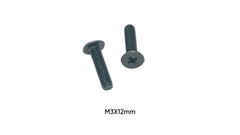
 M3 x 12mm Camera Cage & Battery Slide ScrewsView & buy →
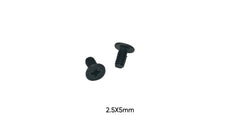
 M2.5 x 5mm Action Camera Housing ScrewsView & buy →
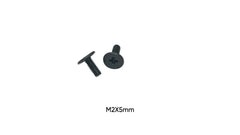
 M2 x 5mm Gimbal / Stabilizer Arm ScrewsView & buy →
Browse the full camera screws collection. Note: we do not currently stock 1/4"-20 or 3/8"-16 tripod mount screws; the parts above are the small metric screws used in cages, housings and gimbals.
Photographers and videographers search for replacement camera screw information after losing mounting hardware during location shoots, discovering damaged threads on existing screws, or needing additional mounting points for multi-camera rigs. Incorrect replacements compromise equipment safety and can damage camera mounting threads.
Standard Camera Screw Thread Specifications
The photography industry standardizes on two primary thread sizes. The 1/4"-20 thread serves as the universal standard for consumer cameras, mirrorless systems, DSLRs, and action cameras. This imperial specification indicates a 1/4-inch diameter (6.35mm) with 20 threads per inch, using Unified National Coarse (UNC) threading.
Professional cinema cameras, large-format cameras, and heavy-duty applications use 3/8"-16 threads. This larger diameter measures 3/8-inch (9.525mm) with 16 threads per inch, providing increased load capacity for equipment weighing several pounds. The coarser thread pitch offers strong engagement in metal camera bodies.
Both standards follow imperial measurements rather than metric, requiring imperial measuring tools and thread gauges for accurate verification. Attempting to substitute metric screws of similar diameter creates dangerous cross-threading situations that damage camera mounting inserts.
Measuring Replacement Screw Requirements
Thread diameter measurement requires imperial calipers or conversion from metric measurements. A 1/4"-20 screw measures 0.250 inches or 6.35mm across the threads. A 3/8"-16 screw measures 0.375 inches or 9.525mm. The diameter difference is substantial enough to identify visually when comparing screws side by side.
Thread pitch verification uses a thread pitch gauge calibrated in threads per inch (TPI). The gauge blade that fits perfectly into the screw's threads indicates the pitch. For 1/4"-20 screws, 20 threads span exactly one inch of length. For 3/8"-16 screws, 16 threads cover one inch.
Length requirements depend on the specific mounting application. Camera-to-tripod screws typically range from 6mm to 10mm (approximately 1/4" to 3/8") in length. Longer screws risk damaging camera internals, while shorter screws may not provide adequate thread engagement for secure mounting.
Quick-Release Plate Mounting Screws
Quick-release plates attach to cameras via 1/4"-20 screws that pass through the plate and thread into the camera's mounting insert. These screws typically measure 6mm to 8mm in length, providing sufficient engagement without excessive protrusion that could contact internal components.
D-ring screws and thumbscrews allow tool-free camera attachment and removal from quick-release plates. The large knurled head or D-ring provides grip for hand-tightening, beneficial when changing camera positions frequently. These screws use the same 1/4"-20 threading as standard mounting screws.
Captive screws remain attached to the quick-release plate via a retaining mechanism, preventing loss during camera changes. The screw rotates freely but cannot be completely removed from the plate. This design is particularly valuable for field work where small parts are easily misplaced.
Tripod Head Mounting Hardware
Ball heads and pan-tilt heads for consumer use feature 1/4"-20 mounting screws or quick-release systems. The screw may be fixed to the head or removable, depending on the design. Fixed screws eliminate the possibility of loss but prevent use with certain quick-release systems.
Fluid heads and gear heads for professional video work commonly use 3/8"-16 mounting screws to accommodate heavier camera packages. These heads often include both 3/8"-16 and 1/4"-20 mounting options, or provide adapter bushings to convert between sizes.
Mounting screw length on tripod heads varies by manufacturer but typically ranges from 8mm to 12mm. The screw must be long enough to pass through the camera's base plate and engage sufficient threads in the mounting insert, but not so long that it contacts internal components.
Material and Finish Options
Stainless steel replacement camera screws offer excellent corrosion resistance for outdoor and marine photography. The material resists rust from humidity, salt spray, and weather exposure. Stainless steel's non-magnetic properties prevent interference with camera sensors and electronic compasses.
Hardened steel screws provide maximum strength for heavy camera equipment. Black oxide or zinc plating offers basic corrosion protection suitable for indoor and dry-climate use. These screws typically cost less than stainless steel alternatives while providing adequate performance for most applications.
Brass screws appear in some vintage camera equipment and specialized applications. The soft material requires careful installation to prevent thread damage but offers excellent corrosion resistance and electrical conductivity for grounding purposes.
Head Style Variations
Low-profile button head screws minimize protrusion above the camera's base plate, reducing snagging risk during transport. The rounded head with hex socket drive allows adequate installation torque while maintaining a compact profile. Socket sizes typically range from 2mm to 3mm for 1/4"-20 screws.
D-ring screws feature a large, flat ring attached to the screw head, enabling tool-free installation and removal. The ring provides leverage for hand-tightening to secure levels. These screws are popular for quick-release plates and applications requiring frequent camera changes.
Knurled thumbscrews offer tool-free operation with a cylindrical, textured head that provides grip for finger-tightening. The larger diameter head compared to D-rings may interfere with certain camera designs, particularly those with recessed mounting areas.
Identifying Correct Thread Standards
Visual comparison helps distinguish 1/4"-20 from 3/8"-16 screws based on diameter alone. The 3/8" screw appears approximately 50% larger in diameter. However, distinguishing 1/4"-20 from similar metric sizes like M6 (6mm diameter) requires measurement or thread pitch verification.
Thread pitch differences become apparent when attempting installation. A 1/4"-20 screw will not thread properly into an M6 hole despite similar diameters, as the thread pitch differs significantly (20 TPI versus M6's 1.0mm pitch). Cross-threading damages both the screw and camera mounting insert.
Manufacturer specifications provide definitive information for original equipment screws. Camera manuals or manufacturer websites often list mounting thread specifications. When replacing lost screws, this information ensures ordering correct replacements.
Common Replacement Errors
Using metric screws in imperial camera mounts creates immediate problems. An M6 screw measures 6mm (0.236 inches), appearing close to 1/4" (0.250 inches) but different enough to strip threads. Always verify thread standard—imperial or metric—before purchasing replacements.
Excessive screw length damages camera internals, particularly in cameras with in-body image stabilization (IBIS) mechanisms. The stabilizer assembly sits close to the camera's base plate, and protruding screws can interfere with movement or damage sensors. Verify maximum safe length before installation.
Over-tightening strips threads in camera mounting inserts, especially in cameras with plastic or aluminum bodies. Camera mounting screws require only enough torque to prevent movement—typically hand-tight plus a quarter turn. Excessive force deforms the mounting insert or cracks the camera body.
Installation Best Practices
Clean the camera's mounting threads before installing replacement screws. Debris, old thread-locking compound, or corrosion can prevent proper engagement and cause cross-threading. Use compressed air or a soft brush to clear the threaded insert.
Start screws by hand, turning counter-clockwise until feeling the thread drop into place, then proceed clockwise. This technique ensures proper thread alignment and prevents cross-threading. Never force a screw that resists initial threading—back it out and restart.
Apply appropriate torque for secure mounting without over-tightening. For 1/4"-20 camera mounting screws, hand-tightening with moderate pressure provides adequate security. If using a screwdriver or hex key, stop when the camera feels firmly seated against the mounting surface.
Shop Replacement Camera Screws
Need the actual screw? Browse our camera screws collection for camera cage and battery slide screws (M3), action camera housing screws, gimbal arm screws and lens ring screws — every listing states the exact thread size and length so you can match your measurement. Orders over $10 ship free from South Carolina, USA.
Conclusion
Replacement camera screws must match original specifications for thread size, pitch, and length to ensure safe, secure mounting. Understanding the difference between 1/4"-20 and 3/8"-16 standards, using proper measurement techniques, and avoiding common installation errors protects valuable camera equipment. Maintaining spare screws and inspecting mounting hardware regularly prevents equipment failures during critical shooting situations.